
Popular Solutions For Cabinet Surface Strippings That Deliver Professional Results
Discover trusted products that simplify cabinet surface stripping, ensuring smooth surfaces and optimal adhesion for your next refinishing j
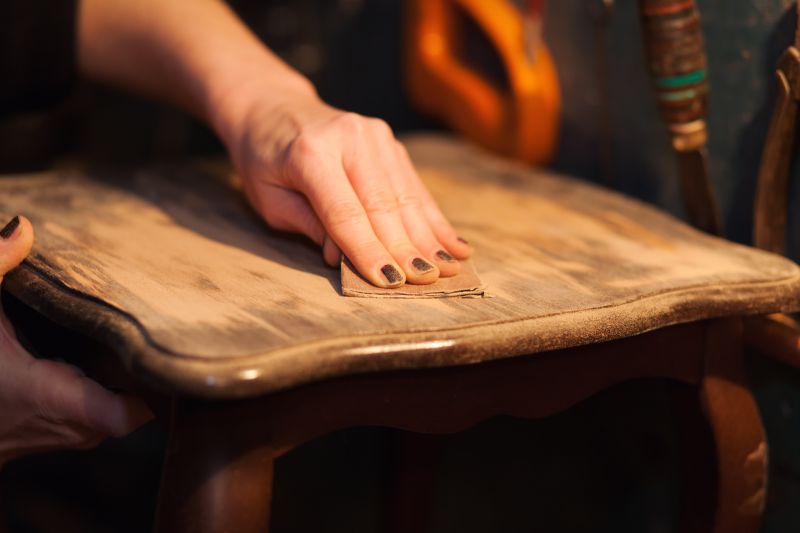 Removing old paint, varnish, or other finishes from cabinet surfaces can be a meticulous task that requires the right products to achieve a smooth, clean surface. The process often involves selecting appropriate stripping agents that can effectively loosen and lift finishes without damaging the underlying material. Whether you're restoring vintage cabinets or updating modern kitchen cabinetry, choosing the right stripping products is essential for a successful project.
Top Overall Option
Chemical Paint and Varnish Stripper
A versatile chemical stripper designed to effectively remove multiple layers of paint, varnish, or stain from cabinet surfaces. It features a user-friendly application process, broad compatibility with different finishes, and a formulation that minimizes odor and mess. Ideal for both professional and DIY projects, this product helps prepare surfaces for refinishing with ease.
Types of Products For Cabinet Surface Strippings
Chemical Liquid Strippers
Traditional solvent-based liquids that dissolve finishes for easy removal, suitable for flat surfaces.
Gel Strippers
Thick gel formulations that cling to vertical surfaces, reducing drips and messes during application.
Paste Strippers
Thick pastes designed for detailed or intricate areas, allowing precise application.
Foam Strippers
Foam-based products that expand to cover surfaces evenly, helping lift stubborn finishes.
Eco-Friendly Strippers
Less harsh chemical formulations aimed at reducing fumes and chemical exposure during stripping.
Heat Guns
Tools that soften finishes with heat, enabling manual scraping for gentle removal.
Scrapers and Putty Knives
Manual tools used in conjunction with chemical products to scrape off loosened finishes.
Sandpaper and Abrasives
Used after chemical stripping to smooth the surface and remove residual finishes.
Paint Remover Wipes
Pre-soaked wipes for quick, small-area stripping and touch-ups.
Vinegar and Natural Solvent Alternatives
Natural options for light stripping, often used for eco-conscious projects.
Popular Choices
Widely used for effective removal of multiple finish layers, suitable for various surfaces.
Favored for vertical surfaces and detailed work due to its thick consistency.
Chosen by those seeking less harsh chemical options with effective results.
Effective for stubborn finishes with easy application and cleanup.
Commonly used together for manual stripping, especially on detailed or curved surfaces.
Convenient for quick touch-ups or small projects, trending for ease of use.
Popular for intricate cabinet areas requiring precise application.
Commonly used after chemical stripping for surface smoothing and prep.
Natural alternative trending among eco-conscious DIYers for light stripping tasks.
Various types of products are available to cater to different needs, including chemical strippers, gels, pastes, and environmentally friendly options. Chemical strippers typically contain solvents that dissolve paint and varnish, making the removal process more manageable. Gels and pastes adhere better to vertical surfaces and intricate details, preventing drips and messes. It is important to consider the specific surface material, the type of finish to be removed, and safety precautions when selecting a product.
Proper application techniques, such as using brushes, scrapers, or cloths, can influence the effectiveness of the stripping process. Adequate ventilation and protective gear are recommended to ensure safety during use. After stripping, thorough cleaning of the surface is necessary to remove any residual chemicals, preparing the surface for refinishing or painting. The right product, applied correctly, can make the surface preparation phase more efficient and less labor-intensive.
Ultimately, understanding the variety of available products and their specific uses will help you choose the most suitable solution for your cabinet surface stripping project. Proper selection and application can lead to a cleaner, smoother surface ready for your next step in renovation or restoration efforts.
Key Buying Considerations
- Type of finish to be removed (paint, varnish, stain) and compatibility with stripping products.
- Surface material of the cabinets to ensure the product is safe and effective.
- Ease of application and whether the product is suitable for your skill level.
- Formulation preferences, such as gel, liquid, paste, or foam, based on project needs.
- Safety precautions, including ventilation requirements and protective gear.
- Environmental considerations, especially if opting for less harsh chemical options.
- Residue removal process after stripping, including cleaning and sanding requirements.
- Duration of the stripping process and whether the product offers quick action.
- Shelf life and storage conditions of the product to ensure longevity.
- Cost-effectiveness considering the amount needed for your project scope.
- User reviews and ratings to gauge real-world effectiveness and ease of use.
- Availability of the product in local stores or online for convenience.
- Compatibility with other refinishing products you plan to use afterward.
- Potential odor or fumes during application, especially in enclosed spaces.
- Regulatory compliance and safety certifications, if applicable.